
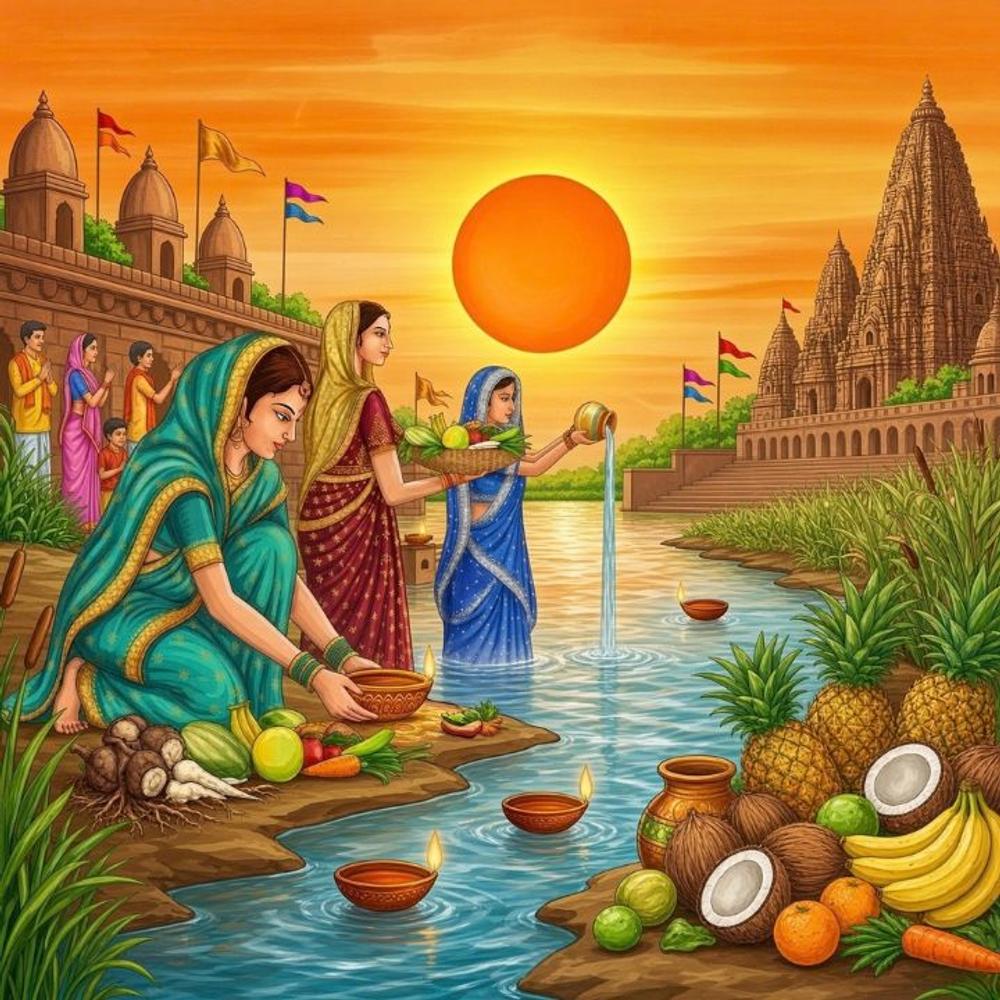
Chhath Puja is one of the most sacred and ancient Vedic festivals in Indian culture. Celebrated with immense devotion, it is a four-day festival dedicated to Surya Dev (the Sun God) and Chhathi Maiya (the goddess of fertility and children).
Unlike many other Hindu festivals, Chhath does not involve idol worship. Instead, devotees directly thank nature for sustaining life on Earth, praying for health, prosperity, and the well-being of their families.
In Delhi, the festival brings a vibrant, spiritual energy to the capital as millions of Purvanchali residents gather along riverbanks and ghats, filling the crisp November air with folk songs, incense, and glowing earthen lamps.
Why We Celebrate Chhath?
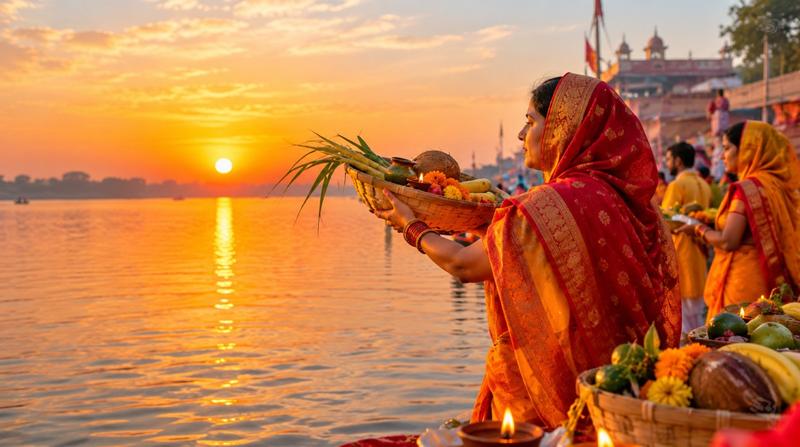
Chhath Puja is rooted in gratitude toward the natural forces that nurture life. Devotees offer prayers to the Sun God—both at sunset and sunrise—acknowledging the cycle of birth, energy, and renewal.
Historical and Mythological Roots:
According to Hindu mythology, the festival dates back to the Vedic era and finds mention in both the Ramayana and the Mahabharata. Lord Rama and Goddess Sita observed a fast in honor of the Sun God upon returning to Ayodhya, while Karna—the son of Surya Dev—performed rituals standing in water to gain strength and blessings.
Environmental Harmony:
The festival emphasizes cleanliness, purity, and eco-friendliness. Every offering is natural, biodegradable, and prepared without synthetic additives, reinforcing a deep respect for water bodies and the environment.
How to Do Chhath Puja: Complete 4-Day Process
In 2026, Chhath Puja takes place from November 13 to November 16. Devotees (Vratis) follow strict rules of hygiene, abstinence, and a 36-hour waterless fast (Nirjala Vrat).
Day 1 – Nahay Khay (November 13):
Devotees take a holy dip in a river or clean water body, clean their homes thoroughly, and prepare a pure vegetarian meal without onion or garlic. Traditional dishes include kaddu-bhaat (bottle gourd curry and rice) and chana dal, cooked on earthen stoves using mango wood.
Day 2 – Kharna (November 14):
Devotees observe a day-long fast without water. After sunset, they break the fast with prasad made of jaggery kheer (rasia), chapatis, and bananas. After this meal, the rigorous 36-hour waterless fast begins.
Day 3 – Sandhya Arghya (November 15):
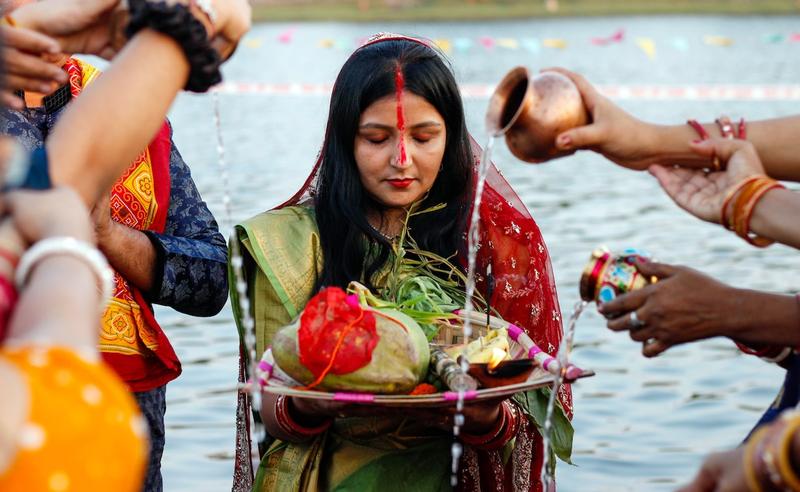
Families prepare bamboo baskets (soop and daura) filled with fruits, thekua, and offerings. In the evening, devotees stand waist-deep in water and offer Arghya (water and milk libations) to the setting sun while singing traditional folk songs.
Day 4 – Usha Arghya and Paran (November 16):
Before dawn, devotees return to the ghats and stand in the cold water to offer Arghya to the rising sun. Once the prayers conclude, the Vrati breaks their 36-hour fast (Paran) by eating ginger and jaggery, followed by distributing prasad to family and neighbors.
Preparations in Delhi for Chhath Puja 2026
To accommodate the massive turnout across the national capital, the Delhi Government has significantly scaled up its arrangements for Chhath Puja 2026.
Expansion of Ghats:
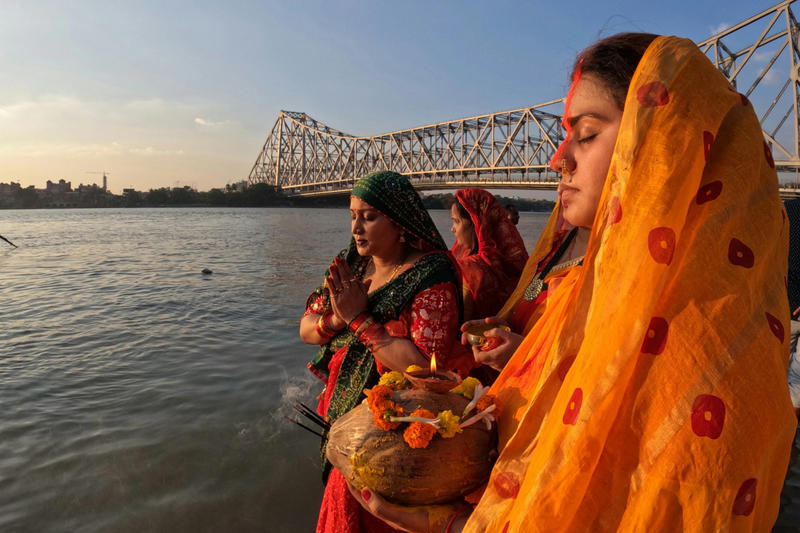
Over 1,400 Chhath ghats are being developed across Delhi, up from 1,326 ghats last year, ensuring devotees have convenient access within their neighborhoods.
Munak Canal Development:
An 11-kilometer-long model Chhath Ghat is being constructed along the Munak Canal, stretching from the Outer Ring Road to Inderlok, complete with proper lighting and barricading.
Cleanliness and Amenities:
Chief Minister Rekha Gupta has directed civic agencies to ensure clean water, mobile toilets, changing rooms for women, CCTV surveillance, medical ambulances, and proper illumination at all major ghats.
How to Avoid Traffic Jams in Delhi for Chhath Puja?
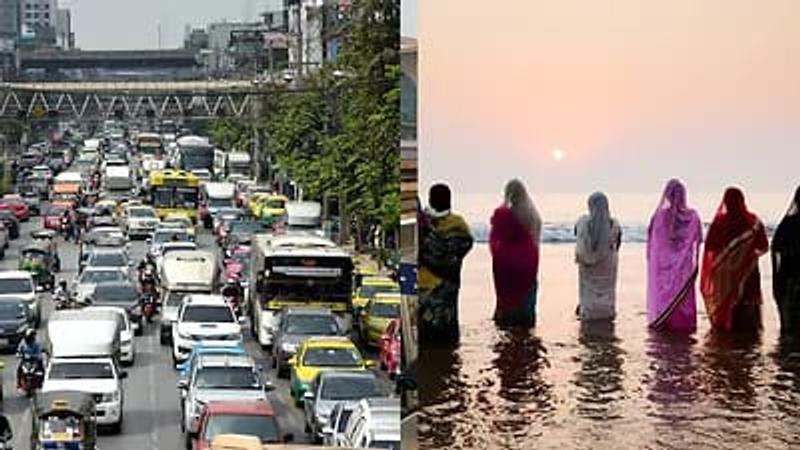
With processions moving toward the Yamuna riverbanks and local artificial ponds on November 15 and 16, major bottlenecks are expected near ITO, Kalindi Kunj, Geeta Colony, Wazirabad, and Outer Ring Road. Commuters can navigate the city smoothly with a few smart adjustments:
Switch to the Delhi Metro:
Use the Delhi Metro Rail Corporation network instead of personal vehicles, especially when traveling across East, North, and South Delhi during evening hours (4:00 PM – 8:00 PM) and early mornings (5:00 AM – 8:30 AM).
Avoid Yamuna Bridge Stretches:
Bypass DND Flyway, Vikas Marg, and Kalindi Kunj during peak Arghya hours, as roads leading to the riverbanks experience heavy pedestrian movement and police diversions.
Check Live Traffic Advisories:
Follow the Delhi Traffic Police updates on social media and use real-time navigation apps before stepping out.
Plan Travel Windows:
Schedule non-essential errands or airport/railway station commutes during midday hours (11:00 AM to 3:00 PM), when ghat footfall is minimal.
Public & School Holiday on Chhath in Delhi
The Delhi Government has officially declared Monday, November 16, 2026, as a public holiday on account of Pratihar Shashthi / Surya Shashthi (Chhath Puja).
Closures: All government schools, government-aided schools, colleges, autonomous bodies, and Public Sector Undertakings (PSUs) under the Government of NCT of Delhi will remain closed on November 16 to allow families to participate in the final morning rituals (Usha Arghya).
Private Schools: Most private schools across Delhi-NCR are also observing a holiday on November 16 in alignment with the state notification, though parents are advised to check their respective school circulars for confirmation.
10 Important Ingredients Used for Chhath Puja
Every item placed in the Chhath daura carries deep spiritual, nutritional, and seasonal significance:
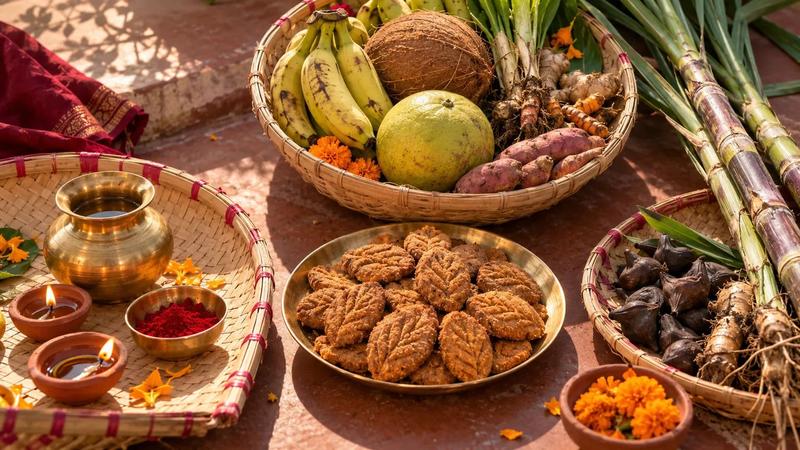
Thekua: A crispy sweet biscuit made of whole wheat flour, jaggery, and ghee. It serves as the primary prasad and provides instant energy after a long fast.
Bamboo Soop and Daura: Handwoven winnowing baskets made of natural bamboo. They symbolize purity, humility, and traditional craftsmanship.
Sugarcane (Ganna): Whole sugarcane stalks with leaves are used to build a canopy over the offerings. Sugarcane represents sweetness in life and marks the winter harvest season.
Dabh Nimbu (Pomelo / Grapefruit): A large citrus fruit rich in vitamin C. It boosts immunity during the seasonal shift into winter and symbolizes fertility and abundance.
Coconut (Nariyal): Offered whole with its husk intact to represent purity, selflessness, and the fulfillment of wishes.
Rasia (Jaggery Kheer): Prepared on Kharna using rice, milk, and jaggery. It helps regulate body temperature and provides sustained nourishment before the waterless fast.
Bananas (Kela): Offered in whole bunches to signify prosperity, lineage growth, and devotion to Lord Vishnu and Surya Dev.
Water Chestnut (Singhara): A nutrient-dense aquatic fruit harvested in November. It is deeply connected to water bodies and cools the body.
Raw Turmeric and Ginger (Haldi and Adrak): Offered with their green leaves intact. Both are potent Ayurvedic herbs that aid digestion and protect against seasonal colds, with ginger traditionally used to break the fast.
Sindoor (Vermilion): Bright orange vermilion applied by married women from the tip of their nose up to their hairline, symbolizing marital bliss, longevity, and devotion to Chhathi Maiya.
As the golden rays of the morning sun illuminate the shimmering waters across Delhi’s ghats, Chhath Puja leaves behind an unforgettable sense of peace, gratitude, and community spirit. More than just a religious observance, the festival reminds us to live in harmony with nature, honor our roots, and cherish the bonds of family and togetherness.
Whether you are standing in the cool water offering Arghya or sharing thekua with neighbors, the warmth of this celebration unites the entire city in devotion and joy.
Wishing you and your loved ones a blessed, peaceful, and Happy Chhath Puja 2026! May Surya Dev and Chhathi Maiya shower your home with good health, happiness, and prosperity.


